
In the fast-changing world of 2026, maintaining a balanced lifestyle has become more important than ever. Between the demands of work, technology, social obligations, and personal growth, it’s easy to feel overwhelmed. A balanced lifestyle doesn’t mean doing everything perfectly; it’s about creating harmony between your physical health, mental well-being, relationships, and personal goals.
By focusing on simple, consistent habits, you can achieve balance and live a more fulfilling life while navigating the challenges of a modern, fast-paced world.
Understanding What Balance Means
A balanced lifestyle involves integrating different aspects of your life in a way that supports overall well-being. This includes:
- Physical health: Maintaining fitness, proper nutrition, and sleep.
- Mental health: Managing stress, practicing mindfulness, and nurturing emotional resilience.
- Social connections: Building and maintaining meaningful relationships.
- Personal growth: Pursuing hobbies, education, and self-improvement.
- Work-life harmony: Managing career or responsibilities without sacrificing health or personal life.
True balance is dynamic; it may shift depending on life circumstances, but prioritizing these areas ensures a more stable and satisfying life.
Prioritize Physical Health
Your physical well-being forms the foundation of a balanced lifestyle. Regular exercise, a nutritious diet, and adequate sleep are essential.
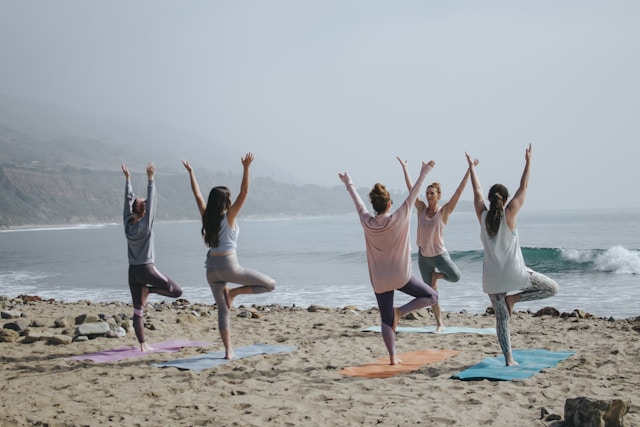
In 2026, new fitness trends make it easier than ever to stay active. Home workouts, outdoor activities, and digital fitness programs provide flexibility for different lifestyles. Even short daily routines, such as a 20-minute walk, yoga session, or strength exercises, can make a significant difference over time.
Eating a balanced diet with whole foods, lean proteins, healthy fats, and plenty of fruits and vegetables supports energy, focus, and long-term health. Staying hydrated and limiting processed foods or excess sugar is also crucial.
Maintain Mental Well-Being
A balanced lifestyle also depends on mental and emotional health. Chronic stress and mental fatigue can affect every area of life, so it’s important to incorporate practices that support resilience.
Mindfulness techniques, meditation, journaling, or deep-breathing exercises help manage stress and improve clarity. Limiting screen time and creating tech-free periods during the day reduces cognitive overload and promotes relaxation.
In 2026, awareness of mental health is higher than ever, making it easier to access resources such as therapy, online support groups, or wellness apps that support emotional well-being.
Build Meaningful Social Connections
Humans are social beings, and relationships play a vital role in a balanced lifestyle. Strong connections with friends, family, or community reduce stress, improve mood, and provide emotional support.
Make time for face-to-face interactions or meaningful virtual communication. Shared experiences, acts of kindness, and maintaining healthy boundaries with people around you contribute to lasting relationships.
Remember, quality matters more than quantity. Surrounding yourself with supportive, positive people enhances your sense of balance.
Foster Personal Growth and Hobbies
A balanced lifestyle includes pursuing passions and personal development. Engaging in hobbies, learning new skills, or exploring creative outlets can provide a sense of accomplishment and joy.
Whether it’s painting, reading, coding, or practicing a musical instrument, dedicating time to personal interests ensures you nourish your mind and spirit. In 2026, access to online courses, digital communities, and virtual workshops makes personal growth more achievable than ever.
Achieve Work-Life Harmony
Modern life often blurs the boundaries between work and personal time. Achieving harmony requires conscious effort and clear boundaries.
Plan your workday to include breaks, avoid overcommitting, and set realistic goals. Utilize technology to streamline tasks but avoid letting work encroach on your personal life. Allocating time for rest, exercise, and hobbies ensures that work does not dominate your life.
Practice Mindful Technology Use
Technology can be both a benefit and a stressor. Constant notifications, social media, and digital distractions can disrupt focus and increase stress.
Incorporate mindful technology use by:
- Scheduling device-free periods.
- Turning off non-essential notifications.
- Engaging in digital detoxes periodically.
Using technology intentionally allows you to enjoy its benefits without letting it disrupt balance and well-being.
Establish Healthy Daily Habits
Consistency is key to maintaining balance. Simple daily habits, such as morning routines, healthy meals, short exercise sessions, and intentional downtime, contribute significantly to overall harmony.
Developing routines that suit your lifestyle helps reduce decision fatigue, improves productivity, and creates a sense of stability. Over time, these habits become second nature and support a balanced life effortlessly.
Set Realistic Goals
Balance doesn’t mean doing everything perfectly. Setting realistic, achievable goals helps prevent burnout and frustration.
Break larger goals into smaller, manageable steps and celebrate small achievements. Flexibility is important—adjusting your plans when necessary ensures that balance remains sustainable.
Embrace Self-Care
Self-care is a critical component of a balanced lifestyle. Taking time for yourself, practicing relaxation, and listening to your body and mind prevents burnout.
Activities like taking a warm bath, reading, meditation, or enjoying nature help recharge your energy and improve emotional resilience. Remember, self-care is not selfish—it is essential for overall well-being.
Conclusion
Creating a balanced lifestyle in 2026 is about integrating physical health, mental well-being, meaningful relationships, personal growth, and work-life harmony. By prioritizing consistency, mindfulness, and realistic goals, you can navigate life’s challenges while maintaining stability and fulfillment.
Balance is not a destination—it’s a continuous journey that requires attention, flexibility, and self-awareness. By making intentional choices, cultivating healthy habits, and embracing self-care, you can live a more harmonious, productive, and satisfying life.
A balanced lifestyle allows you to thrive in a fast-paced world while maintaining your energy, focus, and overall happiness.

